
Discover the Wines of the Peloponnese: Greece’s Historic and Thriving Wine Paradise
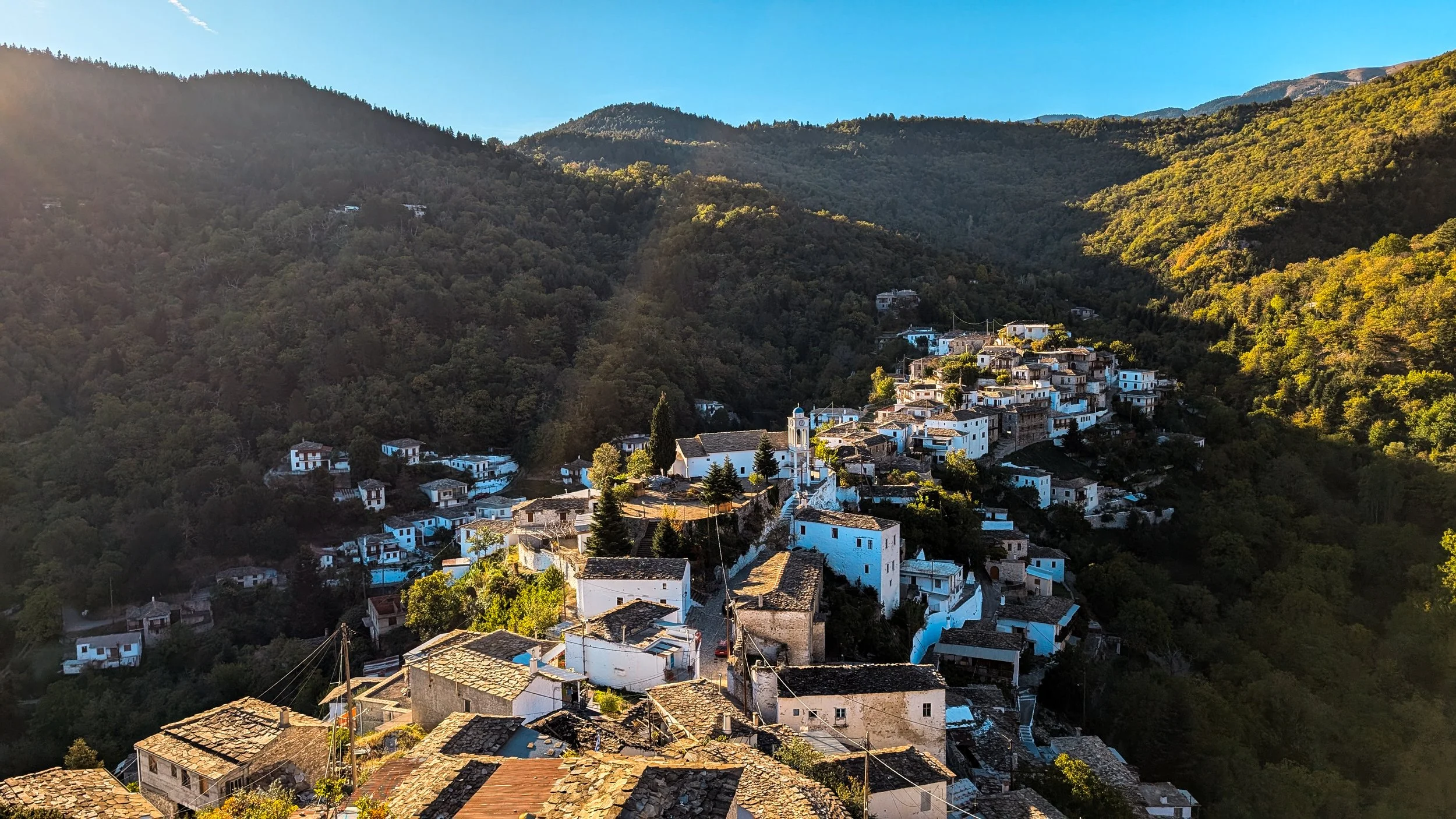
The Peloponnese, the large peninsula in southern Greece, is one of the most exciting and historically significant wine regions in the country. Often referred to as the “cradle of Greek civilization,” this sun-drenched land produces some of Greece’s most expressive and high-quality wines. From powerful reds to elegant aromatic whites, Peloponnese wines offer a perfect combination of ancient heritage and modern winemaking innovation.
A Wine Region with Deep Roots in History
Winemaking in the Peloponnese dates back more than 4,000 years. The region was already famous in Homeric times, and archaeological findings confirm that the Mycenaeans cultivated vines as early as 1600 BC. The ancient Greeks considered wine not just a beverage, but a gift from the gods. Today, the Peloponnese remains one of Greece’s most important wine-producing areas, with several Protected Designations of Origin (PDOs), most notably Nemea and Mantinia.
Signature Grape Varieties of the Peloponnese
The true soul of Peloponnese wine lies in its native Greek grapes:
Agiorgitiko — Known as the “king of Greek red grapes,” Agiorgitiko is the flagship variety of the Nemea region. It produces rich, velvety wines with notes of ripe plum, black cherry, spice, and Mediterranean herbs. With excellent structure and aging potential, these wines are often compared to fine Cabernet Sauvignon or Sangiovese, yet they maintain a distinctly Greek elegance.
Moschofilero — The star white grape of Mantinia. This aromatic variety creates fresh, vibrant wines with intense floral aromas, citrus, green apple, and a touch of spice. Moschofilero wines are crisp, elegant, and wonderfully food-friendly, making them ideal for Mediterranean cuisine.
Other important local varieties include Roditis, Lagorthi, and Black Corinth, while many producers also successfully work with international grapes such as Syrah, Cabernet Sauvignon, and Merlot.
Diverse Terroir Across the Peloponnese
One of the greatest strengths of the Peloponnese is its incredible terroir diversity. Vineyards range from sea level along the coast to high-altitude sites above 800 meters. The cool nights in Mantinia help preserve natural acidity in white wines, while the warmer, sunnier slopes of Nemea produce powerful, structured reds with excellent concentration.
This variety of soils — from limestone and clay to volcanic and sandy soils — combined with a Mediterranean climate of hot summers and mild winters, creates ideal conditions for producing complex, terroir-driven wines.
Modern Winemaking Meets Ancient Tradition
In the past two decades, a new generation of passionate winemakers has brought the Peloponnese into the international spotlight. Many estates have adopted sustainable and organic practices, while investing in modern technology in the cellar. The result is a portfolio of wines that consistently win awards at major international competitions.
Food and Wine Pairing in the Peloponnese
Peloponnese wines pair beautifully with local cuisine. Agiorgitiko is perfect with roasted lamb, grilled meats, and aged cheeses, while Moschofilero shines alongside fresh seafood, salads, and Mediterranean vegetables. The region’s wines also complement traditional dishes like moussaka, stuffed vine leaves, and slow-cooked stews.
Ready to experience the magic of Peloponnese wines firsthand?
Join Global Wine Pursuit Tours on our exclusive Peloponnese Odyssey: Myths, Wines & Mediterranean Flavors luxury tour. This carefully crafted journey takes you through the most prestigious wine regions of the Peloponnese, including Nemea and Mantinia, with private winery visits, gourmet lunches, hands-on cooking experiences, and guided tours of ancient sites. Reserve your place today and discover why the Peloponnese is quickly becoming one of Europe’s most exciting wine destinations.
